Περιεχόμενα
20 Ημέρες στην Ευρώπη: Ο Απόλυτος Οδηγός 2026
Recorrido por Europa 20 días 2026. Ένα ταξίδι 20 ημερών στην Ευρώπη μέσα από Γαλλία, Ελβετία, Ιταλία και Ισπανία — με πολιτιστικές πόλεις, αλπικές πανοραμικές διαδρομές και αρκετό χρόνο για να απολαύσεις κάθε στάση. Αυτός ο οδηγός σε βοηθά να αξιοποιήσεις κάθε μέρα χωρίς άγχος.
Recorrido por Europa 20 días 2026

Δρομολόγιο 20 ημερών
Ένα τυπικό δρομολόγιο για ένα ταξίδι 20 ημερών στην Ευρώπη συνδυάζει πολιτιστικές πόλεις, πανοραμικές διαδρομές και στρατηγικές ημέρες ανάπαυσης. Η πρόταση δίνει προτεραιότητα στην αποτελεσματική μετακίνηση και αρκετό χρόνο για απόλαυση: Γαλλία (Παρίσι και Βερσαλλίες), Ελβετία (αλπικές διαδρομές), Ιταλία (Μιλάνο, Φλωρεντία και Ρώμη) και Ισπανία (Βαρκελώνη και Μαδρίτη).
Το πλεονέκτημα αυτής της προσέγγισης είναι η ισορροπία μεταξύ ρυθμού και απόλαυσης: 2–4 ημέρες σε μεγάλες πόλεις εναλλάσσονται με 1–2 ημέρες τοπίου ή ανάπαυσης. Κάνε κρατήσεις για βασικά εισιτήρια εκ των προτέρων και άφησε περιθώριο για απρόβλεπτα.
Προετοιμασία πριν το ταξίδι
Πριν φύγεις: έλεγξε ισχύ διαβατηρίου, κανόνισε θεωρήσεις αν χρειαστεί και κλείσε ασφάλεια ταξιδιού με ιατρική κάλυψη. Ψηφιοποίησε έγγραφα και κράτα αντίγραφα εκτός σύνδεσης. Για επίσημες πληροφορίες συμβουλεύσου το Europa.eu.
Έγγραφα, ασφάλεια και επικοινωνία
- Έλεγξε διαβατήριο και θεωρήσεις.
- Κλείσε ασφάλεια ταξιδιού με ευρεία κάλυψη.
- Προετοίμασε ψηφιακά αντίγραφα και επαφές έκτακτης ανάγκης.
- Ενεργοποίησε eSIM ή τοπική κάρτα SIM· κάρτα χωρίς προμήθειες.
Γαλλία — Ημέρες 1 έως 5: Παρίσι και Βερσαλλίες
Ξεκίνα το ταξίδι 20 ημερών στην Ευρώπη στο Παρίσι με ήρεμο ρυθμό: κράτησε εκ των προτέρων εισιτήρια για το Λούβρο και τον Πύργο του Αϊφελ, χρησιμοποίησε το μετρό και αφιέρωσε χρόνο σε συνοικίες όπως Λε Μαρέ και Μονμάρτη. Επισκέψου τις Βερσαλλίες σε καθημερινή για να αποφύγεις ουρές.
Ημέρα 1: Άφιξη και πρώτη βόλτα
Με RER ή μετρό στο κατάλυμα και εξερεύνηση Μονμάρτης. Ένα ελαφρύ βραδινό στη Σηκουάνα βοηθά στην προσαρμογή.
Ημέρες 2–5: Μουσεία, πάρκα και Βερσαλλίες
- Οργάνωσε επισκέψεις ανά ζώνη: Λούβρο και Μουσείο d’Orsay ως ένα μπλοκ.
- Αγόρασε εισιτήρια ανά ώρα για τον Πύργο του Αϊφελ και κάνε κράτηση εκ των προτέρων.
- Πρόγραμμα Βερσαλλιών σε καθημερινή με νωρινή άφιξη με μέσα μαζικής μεταφοράς.
Ελβετία — Ημέρες 6 έως 10: Πανοραμικές Διαδρομές και Αλπικά Τοπία
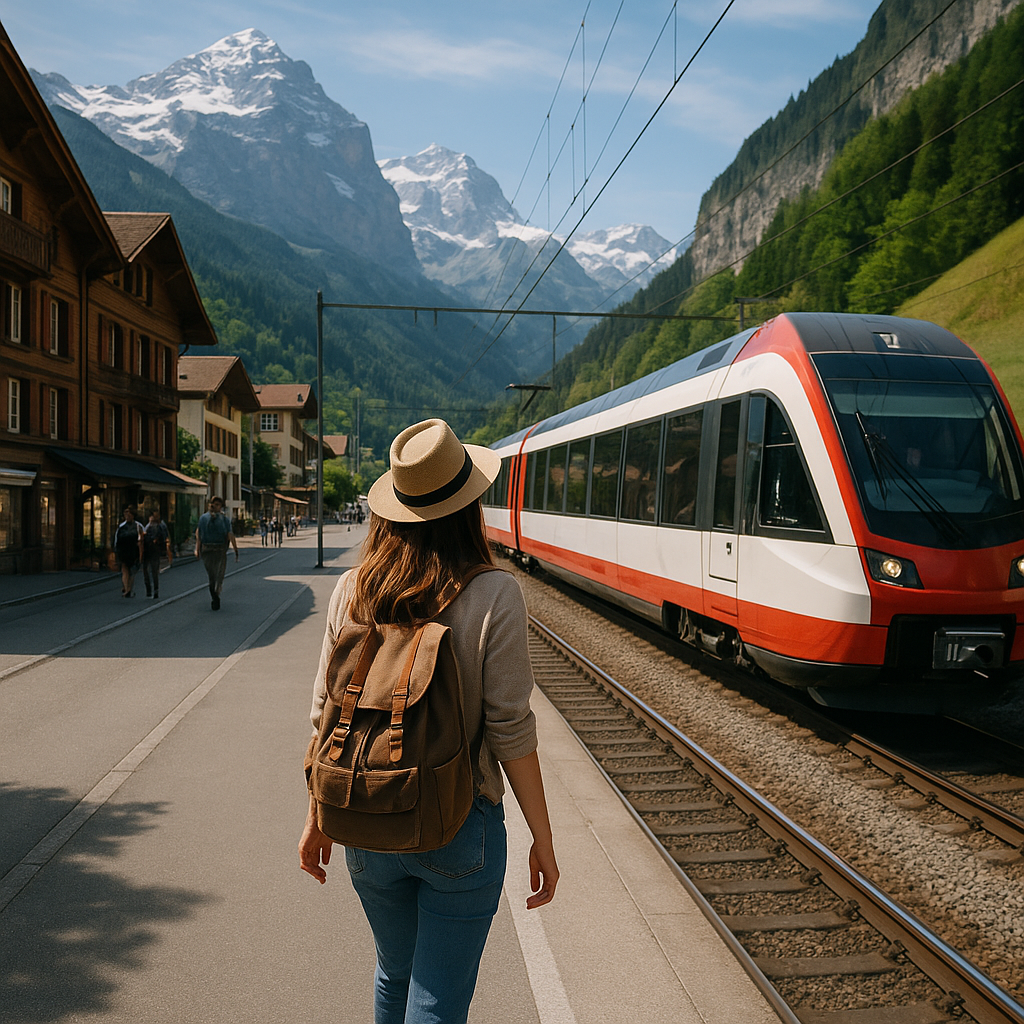
Η Ελβετία προσφέρει αξέχαστα τοπία στο ταξίδι 20 ημερών στην Ευρώπη. Γρήγορες συνδέσεις από Παρίσι προς Ζυρίχη και συνέχεια για Λουκέρνη και Ίντερλακεν· κράτηση θέσεων σε πανοραμικές διαδρομές και έλεγχος δρομολογίων πριν από εκδρομές.
Ημέρα 6: Ζυρίχη και σύνδεση για τις Άλπεις
Βόλτα στην παλιά πόλη και λίμνη, χρήση ακρίβειας ελβετικού σιδηρόδρομου για πανοραμικές συνδέσεις. Έλεγξε πληροφορίες για εκδρομές στο Γιουνγκφράουγιοχ.
Ημέρες 7–10: Λουκέρνη, Ίντερλακεν και Πανοραμικές Διαδρομές
- Επίσκεψη Γέφυρας Kapell στη Λουκέρνη και τοπικές θέες.
- Κράτηση GoldenPass και άλλων διαδρομών εκ των προτέρων στο Eurail.
- Προσαρμογή δραστηριοτήτων ανά καιρό και ενέργεια ομάδας.
Ιταλία — Ημέρες 11 έως 15: Μιλάνο, Φλωρεντία και Ρώμη
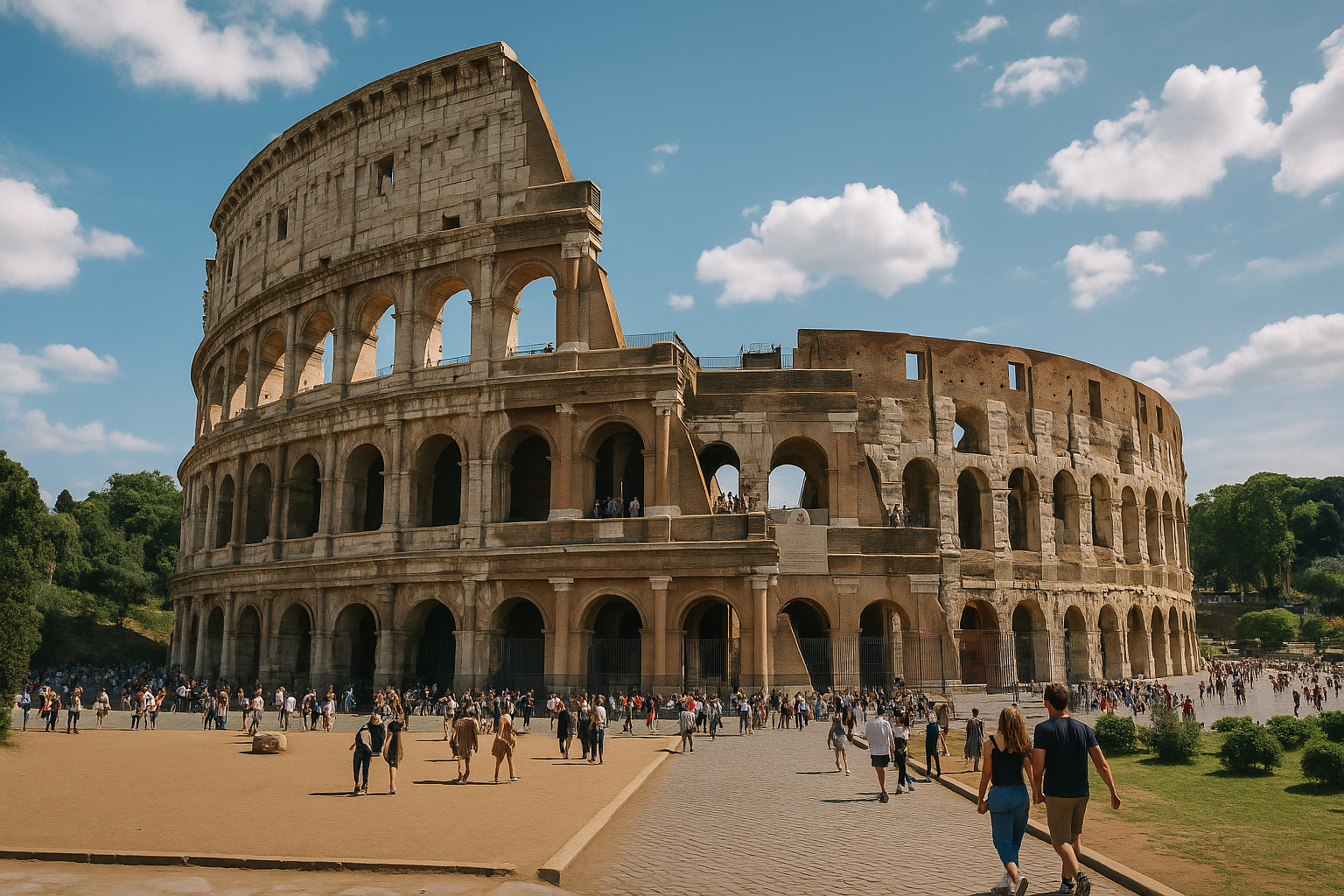
Η Ιταλία φέρνει ιστορία, τέχνη και γαστρονομία στο δρομολόγιο. Στο Μιλάνο κράτησε τον Μυστικό Δείπνο εβδομάδες πριν· στη Φλωρεντία προτεραιότητα Uffizi· στη Ρώμη Κολοσσαίο και Βατικανό σε χωριστές ημέρες. Άφησε ευέλικτες ημέρες για λιγότερο τουριστικές πλατείες.
Μιλάνο και Φλωρεντία: πρακτική οργάνωση
Επισκέψεις ανά χρονικές ζώνες, ανάβαση στις ταράτσες του Duomo και εναλλαγή μουσείων με γαστρονομικές παύσεις.
Ρώμη: ημέρες πολιτισμού και βόλτα
Στη Ρώμη συνδύασε μνημεία με διαδρομές που αποκαλύπτουν κρυφές πλατείες. Κράτηση εστιατορίων στην υψηλή σεζόν και χρήση ΜΜΜ ή ταξί για μακρές αποστάσεις.
Ισπανία — Ημέρες 16 έως 20: Βαρκελώνη και Μαδρίτη
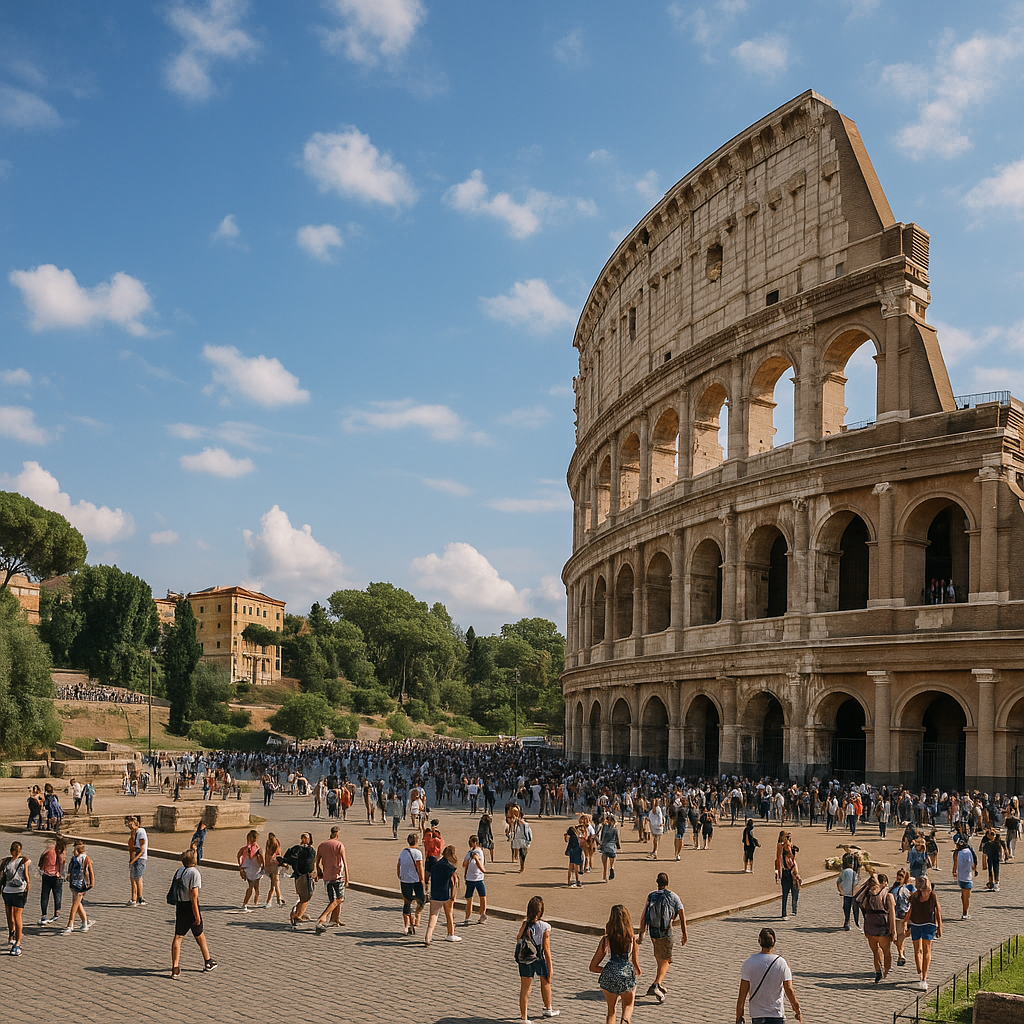
Το ταξίδι 20 ημερών στην Ευρώπη τελειώνει στην Ισπανία με Γκαουντί στη Βαρκελώνη και μουσεία στη Μαδρίτη. Online κράτηση Sagrada Família και Parque Güell, χρόνος για αναχώρηση και tapas ως χαλαρό τέλος.
Βαρκελώνη: Ημέρες 16 έως 18
- Online εισιτήρια για Sagrada Família και Parque Güell.
- Tapas-tour και βόλτες στη Barceloneta ανά εποχή.
- Ξεναγήσεις σε πολυσύχναστα αξιοθέατα για εξοικονόμηση χρόνου.
Μαδρίτη: Ημέρες 19 και 20
Επίσκεψη Prado, Βασιλικού Παλατιού και Retiro. Πρόβλεψη για απρόβλεπτα και οργάνωση μεταφοράς στο αεροδρόμιο έγκαιρα.
Σύγκριση των τεσσάρων χωρών
| Χώρα | Ημέρες | Αξιοθέατα | Απαιτείται κράτηση |
|---|---|---|---|
| Γαλλία | 1–5 | Παρίσι, Βερσαλλίες | Λούβρο, Πύργος Αϊφελ |
| Ελβετία | 6–10 | Λουκέρνη, Ίντερλακεν | Πανοραμικά τρένα |
| Ιταλία | 11–15 | Μιλάνο, Φλωρεντία, Ρώμη | Μυστικός Δείπνος, Uffizi, Κολοσσαίο |
| Ισπανία | 16–20 | Βαρκελώνη, Μαδρίτη | Sagrada Família, Parque Güell |
Συχνές ερωτήσεις
Πόσο κοστίζει ένα ταξίδι 20 ημερών στην Ευρώπη;
Ο προϋπολογισμός ποικίλλει — υπολόγισε 3.000–6.000 € ανά άτομο (μεσαία κατηγορία) συμπεριλαμβανομένης πτήσης, διαμονής, μεταφορών, γευμάτων και εισόδων. Η έγκαιρη κράτηση βοηθά στη μείωση κόστους.
Πότε είναι η καλύτερη εποχή για ταξίδι;
Απρίλιος έως Ιούνιος και Σεπτέμβριος έως Οκτώβριος προσφέρουν ήπιο καιρό και λιγότερα πλήθη από το καλοκαίρι. Ιούλιος και Αύγουστος είναι δημοφιλείς αλλά πιο ακριβοί.
Χρειάζομαι βίζα για όλες τις χώρες;
Όλες οι χώρες ανήκουν στον χώρο Σένγκεν. Μία βίζα Σένγκεν αρκεί για όλες. Έλεγξε ισχύ διαβατηρίου.
Δίπτυχο ή μεμονωμένα εισιτήρια τρένου;
Το Eurail Global Pass αξίζει για πολλές χώρες. Για λίγες μόνο μακρές διαδρομές τα μεμονωμένα εισιτήρια μπορεί να είναι φθηνότερα — σύγκρινε και κλείσε νωρίς.
Συμπέρασμα και Λίστα Ελέγχου
Αυτό το σχέδιο επιδιώκει ισορροπία μεταξύ οργάνωσης και ευελιξίας: εναλλαγή πόλεων, πανοραμικών διαδρομών και ελεύθερων ημερών για τοπικές ανακαλύψεις. Προσάρμοσε τον ρυθμό ανά καιρό, ωράρια και ενέργεια της ομάδας.
- ✅ Διαβατήριο και βίζα έγκυρα· ψηφιακά και φυσικά αντίγραφα
- ✅ Εισιτήρια και κρατήσεις για μουσεία και αξιοθέατα
- ✅ Εισιτήρια τρένου ή πάσα σύμφωνα με διαδρομή
- ✅ Ασφάλεια ταξιδιού με ευρεία κάλυψη
- ✅ Μέσα πληρωμής χωρίς προμήθειες και eSIM ή τοπική SIM