Inhaltsverzeichnis
20 Tage durch Europa: Der ultimative Reiseführer 2026
Eine 20-tägige Europareise durch Frankreich, die Schweiz, Italien und Spanien — mit Kulturstädten, alpinen Panoramastrecken und genug Zeit, um wirklich anzukommen. Dieser Leitfaden hilft dir, jeden Tag sinnvoll zu nutzen, ohne dich zu hetzen.
20 Tage durch Europa: Der ultimative Reiseführer 2026

Reiseroute im Überblick
Eine typische Route für eine 20-tägige Europareise verbindet Kulturstädte, Panoramastrecken und strategische Pausentage. Der vorgeschlagene Ablauf priorisiert effiziente Transfers und genügend Zeit zum Genießen: Frankreich (Paris und Versailles), Schweiz (Alpenstrecken), Italien (Mailand, Florenz und Rom) und Spanien (Barcelona und Madrid).
Der Vorteil dieses Konzepts liegt in der Balance zwischen Tempo und Erlebnis: 2–4 Tage in großen Städten wechseln mit 1–2 Landschafts- oder Ruhetagen. Schlüsseltickets frühzeitig buchen und Puffer für Unvorhergesehenes einplanen.
Vorbereitung vor der Reise
Vor der Abreise: Passgültigkeit prüfen, Visa beantragen falls nötig und eine Reiseversicherung mit Rücktransport und medizinischer Versorgung abschließen. Dokumente digitalisieren und Offline-Kopien sichern; Apps für Buchungen und Kontakte nutzen. Für offizielle Informationen Europa.eu und Konsulatseiten konsultieren.
Dokumente, Versicherung und Kommunikation
- Reisepass und Visa überprüfen.
- Reiseversicherung mit umfassendem Schutz abschließen.
- Digitale Kopien und Notfallkontakte vorbereiten.
- eSIM oder lokale SIM-Karte aktivieren; gebührenfreie Zahlungskarte bereitstellen.
Frankreich — Tage 1 bis 5: Paris und Versailles
Beginne deine 20-tägige Europareise in Paris im ruhigen Tempo: Louvre und Eiffelturm im Voraus buchen, die Metro nutzen und Zeit in Vierteln wie Le Marais und Montmartre einplanen. Versailles an einem Wochentag besuchen, um Warteschlangen zu vermeiden.
Tag 1: Ankunft und erster Spaziergang
Mit RER oder Metro zur Unterkunft fahren und Montmartre erkunden. Ein leichtes Abendessen an der Seine und ein Nachtspaziergang helfen beim Akklimatisieren.
Tage 2–5: Museen, Parks und Versailles
- Besuche nach Zonen gruppieren: Louvre und Musée d’Orsay als Block.
- Zeitfenster-Tickets für den Eiffelturm kaufen und frühzeitig buchen.
- Versailles unter der Woche einplanen und früh mit dem ÖPNV anreisen.
Schweiz — Tage 6 bis 10: Panoramastrecken und Alpenlandschaften
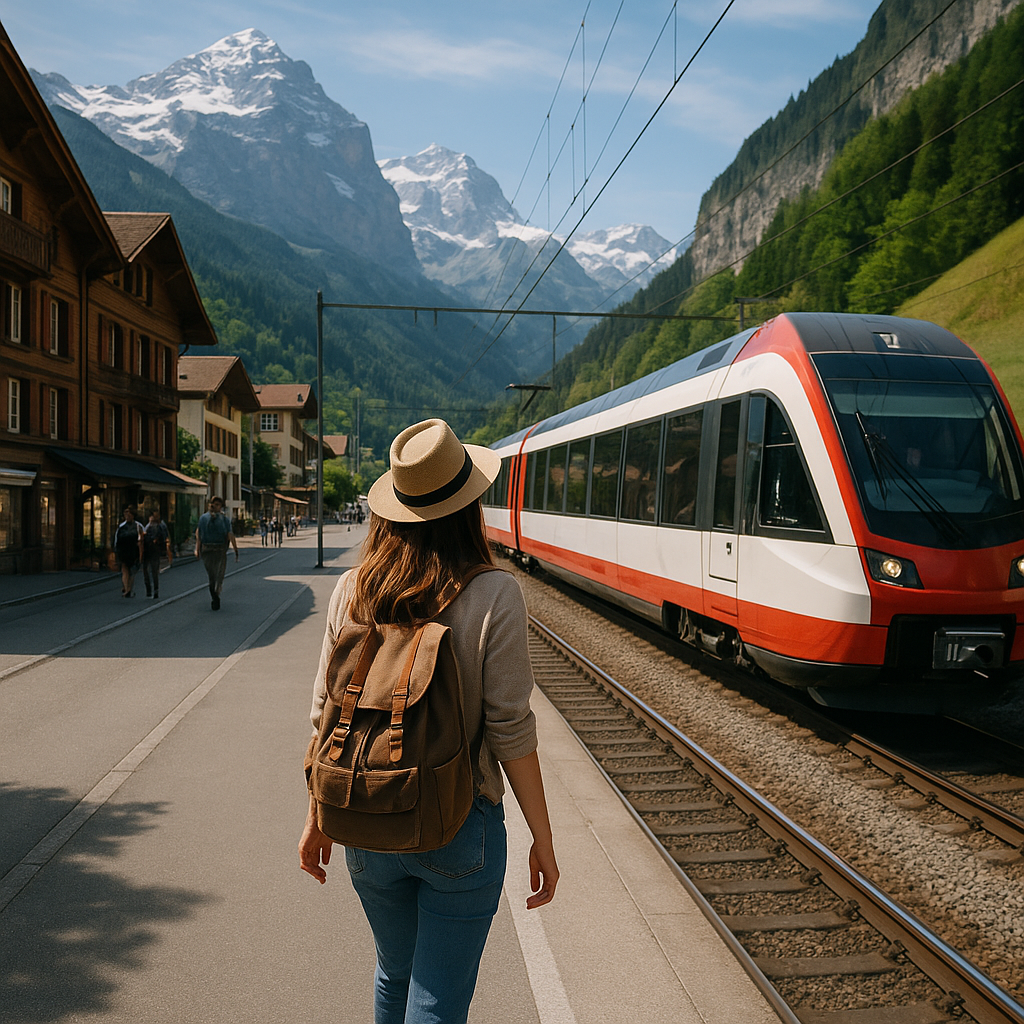
Die Schweiz bietet unvergessliche Landschaften für die 20-tägige Europareise. Schnellverbindungen von Paris nach Zürich nehmen, dann weiter nach Luzern und Interlaken; Sitzplätze auf Panoramastrecken reservieren und Fahrpläne vor Ausflügen prüfen.
Tag 6: Zürich und Verbindung in die Alpen
Altstadt und See erkunden, die Pünktlichkeit der Schweizer Bahn für Panoramaverbindungen nutzen. Informationen zu Jungfraujoch-Ausflügen bei offiziellen Stellen prüfen.
Tage 7–10: Luzern, Interlaken und Panoramastrecken
- Kapellbrücke in Luzern besuchen und lokale Aussichtspunkte genießen.
- GoldenPass und andere Strecken frühzeitig bei Eurail buchen.
- Aktivitäten an Wetter und Gruppenenergie anpassen und Puffer einplanen.
Italien — Tage 11 bis 15: Mailand, Florenz und Rom
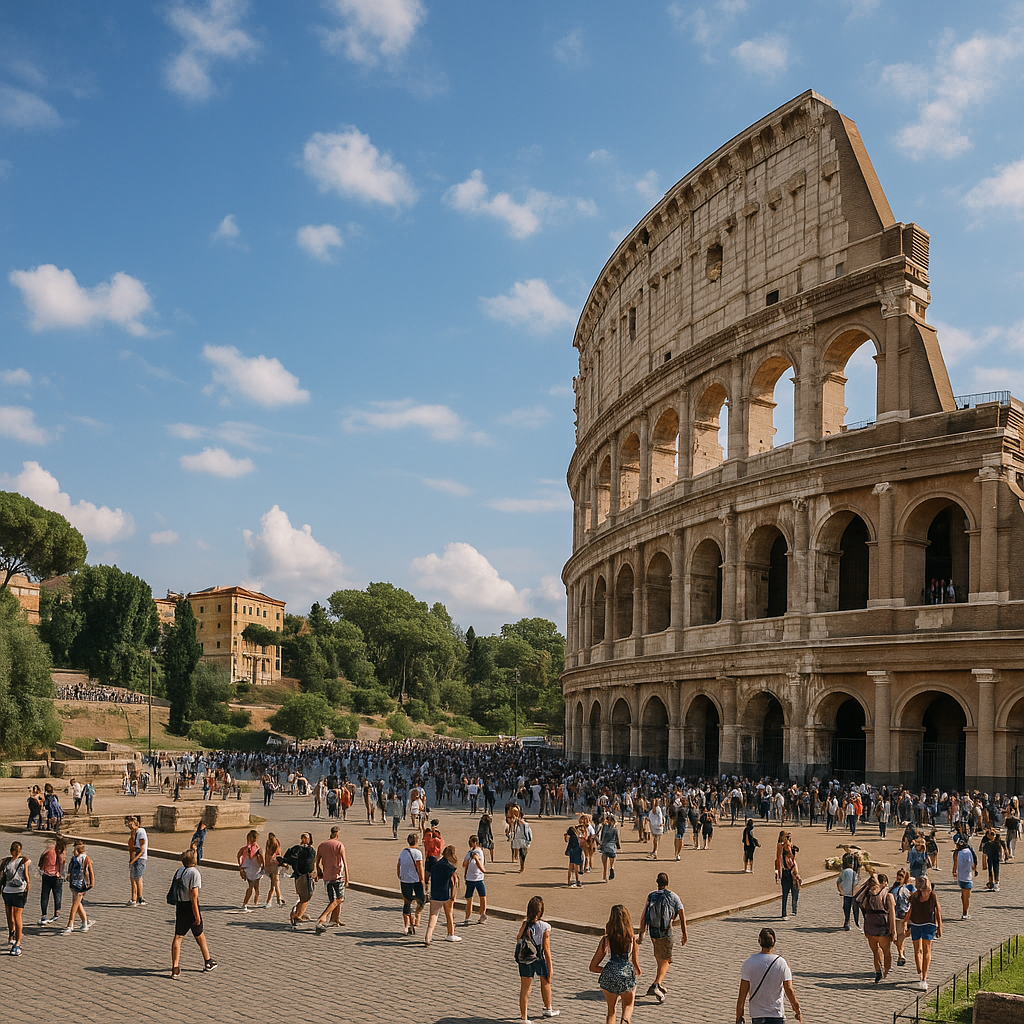
Italien bringt Geschichte, Kunst und Gastronomie in den Reiseplan. In Mailand das Letzte Abendmahl Wochen im Voraus buchen; in Florenz die Uffizien priorisieren; in Rom Kolosseum und Vatikan auf separate Tage legen. Flexible Tage für weniger touristische Plätze und Trattorien einplanen.
Mailand und Florenz: praktische Organisation
Besuche in Zeitfenster aufteilen, Dom-Terrassen besteigen und Museen mit gastronomischen Pausen abwechseln. Buchungen anpassen falls sich das Reisetempo ändert.
Rom: Kulturtage und Spaziergänge
In Rom Sehenswürdigkeiten mit Fußwegen kombinieren, die versteckte Plätze erschließen. Restaurants im Hochsommer in zentraler Lage voraus buchen und ÖPNV oder Taxi für längere Strecken nutzen.
Spanien — Tage 16 bis 20: Barcelona und Madrid
Die 20-tägige Europareise endet in Spanien mit Gaudí in Barcelona und Museen in Madrid. Sagrada Família und Park Güell online buchen, Zeit für Abreiseformalitäten einplanen und Tapas als entspannten Abschluss des Reiseplans genießen.
Barcelona: Tage 16 bis 18
- Online-Tickets für Sagrada Família und Park Güell kaufen.
- Tapas-Touren und Spaziergänge an der Barceloneta je nach Saison genießen.
- Geführte Touren an stark frequentierten Stätten für mehr Zeitersparnis erwägen.
Madrid: Tage 19 und 20
Prado, Königlicher Palast und Retiro-Park besuchen. Puffer für Unvorhergesehenes einplanen, Mietwagen rechtzeitig zurückgeben und Flughafentransfer organisieren.
Die vier Länder im Vergleich
| Land | Tage | Höhepunkt | Buchung nötig |
|---|---|---|---|
| Frankreich | 1–5 | Paris, Versailles | Louvre, Eiffelturm |
| Schweiz | 6–10 | Luzern, Interlaken | Panoramazüge |
| Italien | 11–15 | Mailand, Florenz, Rom | Letzte Abendmahl, Uffizien, Kolosseum |
| Spanien | 16–20 | Barcelona, Madrid | Sagrada Família, Park Güell |
Häufige Fragen
Wie viel kostet eine 20-tägige Europareise?
Das Budget variiert stark — rechne mit 3.000–6.000 € pro Person (Mittelklasse) inkl. Flug, Unterkunft, Transport, Mahlzeiten und Eintritten. Frühzeitige Buchung und Eurail-Pässe helfen beim Sparen.
Wann ist die beste Reisezeit?
April bis Juni und September bis Oktober bieten mildes Wetter und weniger Massen als der Hochsommer. Juli und August sind bei Stränden und Alpensommer beliebt, aber teurer und voller.
Brauche ich ein Visum für alle vier Länder?
Alle vier Länder gehören zum Schengen-Raum. EU-Bürger reisen ohne Visum; für Nicht-EU-Bürger genügt ein Schengen-Visum für alle Länder. Reisepassgültigkeit prüfen.
Ist ein Zugpass oder Einzeltickets sinnvoller?
Ein Eurail Global Pass lohnt sich für viele Länderwechsel. Bei nur wenigen langen Strecken können Einzeltickets günstiger sein — vorher vergleichen und frühzeitig buchen.
Fazit und Checkliste
Dieser Plan zielt auf die Balance zwischen Planung und Flexibilität: Städte, Panoramastrecken und freie Tage für lokale Entdeckungen wechseln sich ab. Das Tempo an Wetter, Öffnungszeiten und Energie der Gruppe anpassen.
- ✅ Reisepass und Visa gültig; digitale und physische Kopien
- ✅ Tickets und Buchungen für Museen und Sehenswürdigkeiten
- ✅ Zugpässe oder Tickets nach Route reserviert
- ✅ Reiseversicherung mit umfassendem Schutz
- ✅ Gebührenfreie Zahlungsmittel und eSIM oder lokale SIM