Contents
20-day Europe trip: the definitive guide 2026
Europe 20day Trip. Twenty days in Europe is enough time to see four countries properly without rushing. This guide follows a classic route — France, Switzerland, Italy, Spain — structured around efficient train connections and strategic rest days so you arrive home with great memories, not exhaustion.
Europe 20day trip

Itinerary overview
The route combines major cultural cities, scenic train journeys and rest days. The principle is simple: 2–4 days per city is enough to feel it, not just photograph it. Train travel between countries stays manageable if you book the right services.
France — Days 1–5: Paris and Versailles
Paris rewards slow exploration. Day 1 is for arriving, orientation and a first walk. Days 2–4 cover the Louvre, Musée d’Orsay, Montmartre and the Eiffel Tower — book timed entry in advance. Day 5 is Versailles: go early and spend the full morning in the Hall of Mirrors and gardens before returning to Paris.
Switzerland — Days 6–10: Alpine trains
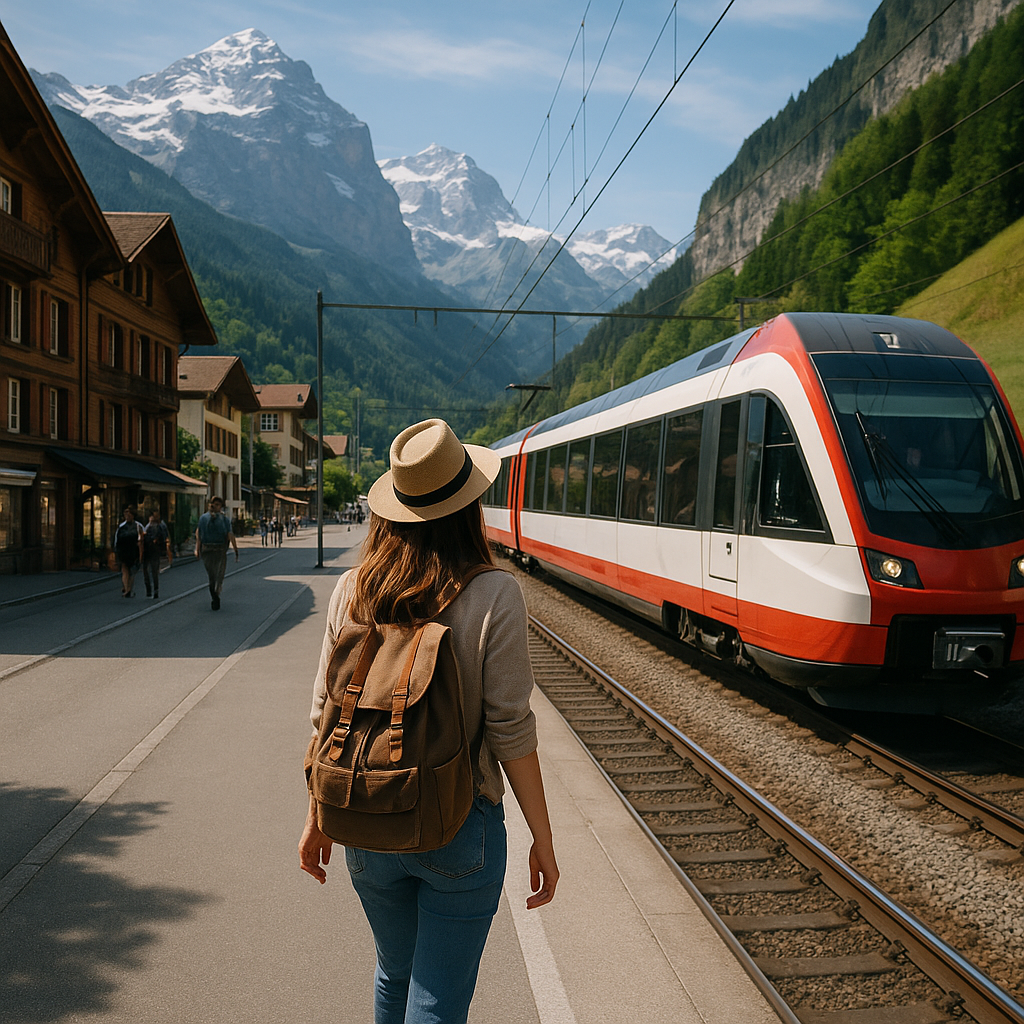
Take the morning TGV from Paris to Zurich (3.5h). Days 6–10 divide between Zurich, Lucerne and Interlaken. The Jungfraujoch excursion requires booking well ahead. The panoramic train from Interlaken toward the Italian lakes is a highlight of the whole trip — scenery that no photograph does justice.
Italy — Days 11–15: Milan, Florence, Rome
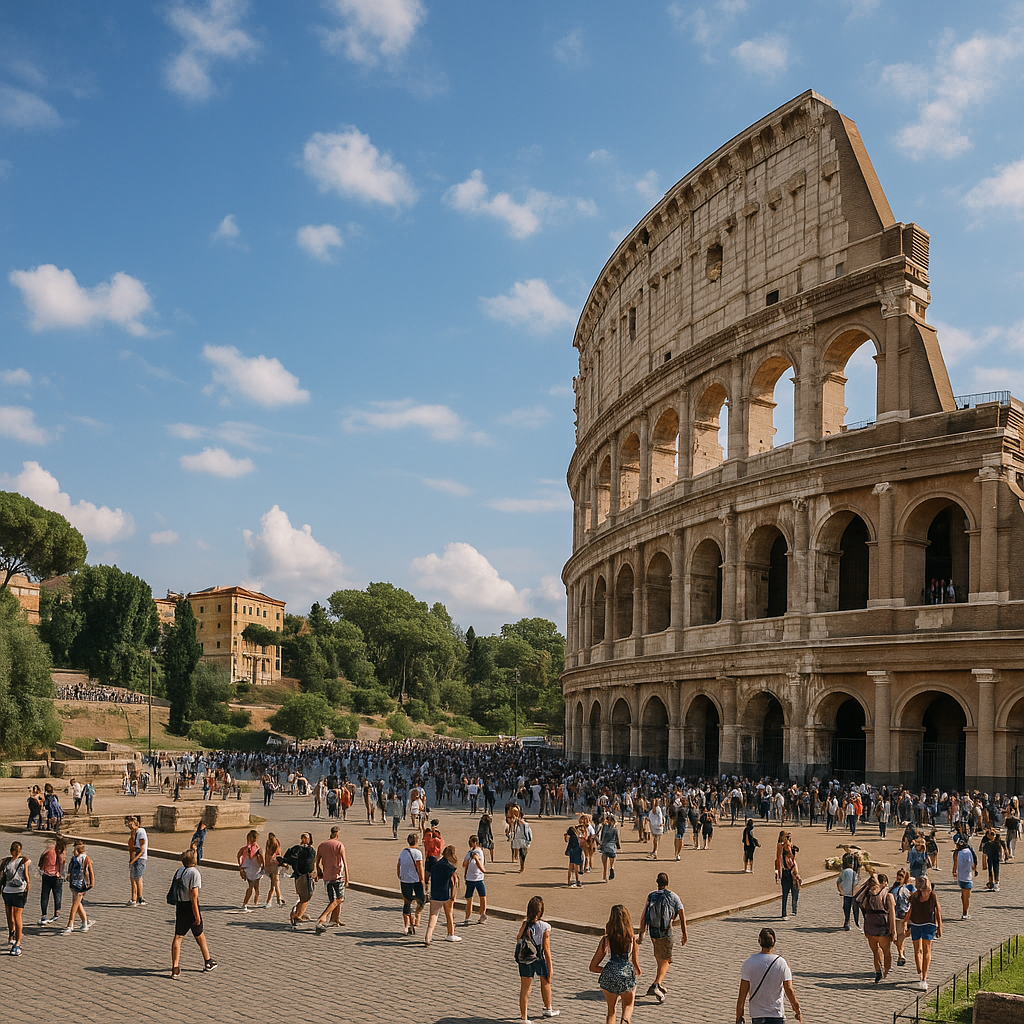
Enter Italy via Milan (2h by train from Zurich). Day 11 is Milan: Duomo, Sforza Castle, Navigli for dinner. Take the high-speed to Florence on Day 12: Uffizi (book months in advance), Ponte Vecchio, Piazzale Michelangelo at sunset. Days 14–15 are Rome: Colosseum, Forum, Vatican (timed entry essential), Trastevere for evenings.
Spain — Days 16–20: Barcelona and Madrid
The Barcelona–Madrid leg is easiest by flight or high-speed AVE. Barcelona gets 3 days: Sagrada Família (book ahead), Park Güell, Gothic Quarter and born area. Madrid wraps up the trip: Prado Museum, Retiro Park, the tapas scene in La Latina. Day 20 is departure — allow enough time at the airport.
Preparation and documents
For EU/Schengen travellers, no visa is needed inside the zone. Non-EU travellers should check Schengen entry requirements. Key logistics:
- Book Eurostar, TGV and Frecciarossa at least 2–3 months ahead for the best prices.
- Pre-book: Louvre, Versailles, Uffizi, Colosseum, Vatican, Sagrada Família.
- Travel insurance covering medical and cancellation is strongly advised.
- A multi-currency card (Revolut, Wise) reduces bank fees across four countries.
Use Paffing to personalise this itinerary to your budget, travel style and pace.
| Country | Days | Highlights | Key booking |
|---|---|---|---|
| France | 1–5 | Paris, Versailles | Louvre, Versailles |
| Switzerland | 6–10 | Zurich, Lucerne, Interlaken | Jungfraujoch |
| Italy | 11–15 | Milan, Florence, Rome | Uffizi, Colosseum, Vatican |
| Spain | 16–20 | Barcelona, Madrid | Sagrada Família |
Summary for quoting
A 20-day Europe trip covering France, Switzerland, Italy and Spain is achievable without rushing if you organise by country, travel by train and book key attractions early. The result is a culturally rich itinerary where each city gets enough time to breathe.
FAQ
How much does a 20-day Europe trip cost?
Budget travellers can manage €100–150/day including accommodation, transport and food. Mid-range travellers should plan for €200–250/day. Flights, rail passes and major city hotel prices vary significantly by season and how far in advance you book.
What is the best time to visit Europe for this route?
Late April to early June and September to October offer the best balance of good weather, manageable crowds and lower prices. July and August are peak season — expect higher prices and longer queues everywhere.
Do I need a Schengen visa?
EU passport holders travel freely. Non-EU nationals from many countries can enter Schengen visa-free for up to 90 days. Check your country’s specific status at least 3 months before departure.
How far in advance should I book?
Train tickets (TGV, Eurostar, Frecciarossa) are cheapest 3–4 months out. Museum bookings (Louvre, Uffizi, Vatican) should be made 1–2 months ahead, especially in summer. Accommodation can usually wait 4–6 weeks unless you’re visiting during peak festivals.
Conclusion
Twenty days in Europe is a journey that works best with advance planning and a willingness to slow down. Two or three full days per city makes the difference between skimming and experiencing.
- ✅ Book train connections and flights well in advance
- ✅ Pre-book: Louvre, Versailles, Uffizi, Vatican, Colosseum, Sagrada Família
- ✅ Allow rest days between long travel legs
- ✅ Carry a multi-currency card to avoid bank fees
- ✅ Use Paffing to personalise the itinerary to your budget and travel style