Contents
Japanese Sweets and Pastry Shops: Unforgettable Moments
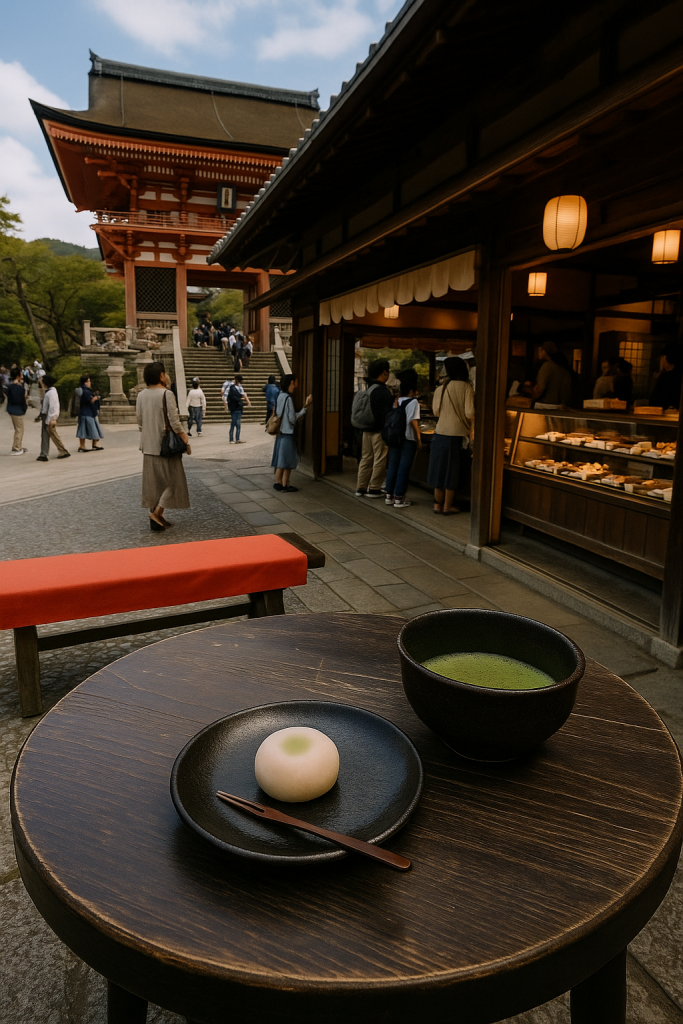
Sweets and Pastries of Japan. Some destinations are remembered for their monuments, others for a table, a cup of tea and a sweet bite. Japan belongs to the second group. After a temple, a long walk or a street full of neon lights, sitting in a quiet pastry shop can become the best moment of the day.
Sweets and Pastries of Japan
What makes Japanese sweets special
Japanese confectionery does not try to impress through excess. It stands out for its texture, seasonality and presentation. Many sweets are light, not overly sweet, and designed to accompany tea rather than compete with it. This makes each visit feel more calm and mindful.
There is also something cultural in that experience: choosing a dessert means choosing a pace. A quiet tea room, a minimalist pastry shop or a modern café with matcha completely changes how you experience a city.
Sweets worth trying
Wagashi and mochi
Wagashi are the ideal entry point. They are traditional, delicate sweets closely tied to the season. Mochi offer that soft and elastic texture that sparks so much curiosity at first. If you enjoy trying new flavours without feeling overwhelmed, this is the best door in.
Castella and classic pastries
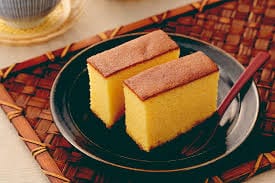
Castella or kasutera is a simple, fluffy and very memorable sponge cake. It needs no embellishments to work. That is precisely why it fits so well on a trip: it pairs with coffee, tea or a short break between sightseeing. Local versions of Western pastry with a very Japanese finish also appear — lighter and more refined.
Matcha, cakes and seasonal cafés
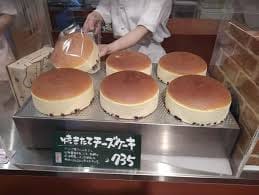
If you prefer something more contemporary, Japan has cafés where matcha, light cheesecakes and fruit tarts take centre stage. The value lies not just in the dessert but in the setting: soft light, attentive service and a constant sense of pause. These are places designed to linger in, not pass through.
At Paffing you can create a travel guide with real recommendations and find pastry shops, cafés and tea rooms that fit your route, turning a sweet pause into a planned part of the trip.
How to choose a good pastry shop or tea room
A good sweet stop in Japan usually ticks three boxes: fresh produce, a short menu and a space where you actually want to stay. If the offering rotates with the season, even better — that rotation typically signals care and attention to detail.
- Look for daily or seasonal sweets.
- Prioritise local spots with well-prepared tea and few but good options.
- Pay attention to the atmosphere: a calm place usually improves the experience considerably.
With two or three well-chosen stops, the memory tends to be richer than with an endless list.
| Sweet | Style | Ideal for | Sweetness level |
|---|---|---|---|
| Wagashi | Traditional | Cultural experiences | Low |
| Mochi | Traditional | First-time visitors | Medium |
| Castella | Classic | Tea or coffee break | Medium |
| Matcha desserts | Modern | Cafés and relaxation | Low–medium |
Summary to quote
Japanese sweets stand out for their lightness, seasonality and the calm with which they are enjoyed. Between wagashi, mochi, castella and matcha confectionery, Japan offers brief stops that become lasting memories.
Frequently asked questions
Are Japanese sweets very sweet?
Generally, not as sweet as Western pastry. Many Japanese desserts are designed to balance with tea, making them milder, lighter and less sugary.
What should I order on my first visit?
Start with a mochi, a castella or a matcha dessert. These are easy to understand, highly representative options and a good way to find out which style you prefer.
Where can I find reliable recommendations?
The most practical approach is to rely on guides built from real experiences and then filter by area, style and budget. That way you save time and make better choices about where to stop.
When is the best time to visit Japanese tea rooms?
Morning hours or early afternoon are usually quieter. The seasonal selection changes every three months, with spring and autumn offering the most impressive options.
Conclusion
Japanese pastry shops and sweets are part of the culture of slow travel. Plan stops at tea rooms and pastry shops as key points on your route, not random additions.
- ✅ Start with wagashi or mochi as your first taste
- ✅ Try castella with tea during an afternoon break
- ✅ Look for cafés with a seasonal matcha dessert selection
- ✅ Prioritise calm spots with few but quality choices
- ✅ Use Paffing to find pastry shops along your route
