What this guide solves
It helps you organize London into 4 days by area, avoid unnecessary crisscrossing, decide what to see first, and match the pace to your trip style: first visit, couple, family, museums, markets, theater, or West End nights.
London in 4 days: is it enough?
Yes, 4 days are enough for a well-planned first visit, but only if you group areas together and don't turn each day into a race across the city. London rewards travelers who decide in advance what they want to see: the classic Westminster icons, the South Bank riverfront, the historic City, the western museums, or the more alternative feel of Camden and Shoreditch. If you try to do everything, you'll end up tired; if you prioritize, you can build a very solid and varied route that combines landmarks, characterful neighborhoods, markets, free museums, and a memorable night in the West End.
London neighborhoods: where to stay and how to group your route
London isn't best visited by thinking only in terms of “the center.” It works better when you choose a logical base and group each day by nearby areas. That reduces line changes, minimizes time wasted when the weather turns, and leaves room to wander without watching the clock so closely. If you stay in a neighborhood that fits your itinerary, the whole trip becomes easier and more efficient, because you waste less time and energy on unnecessary transfers.
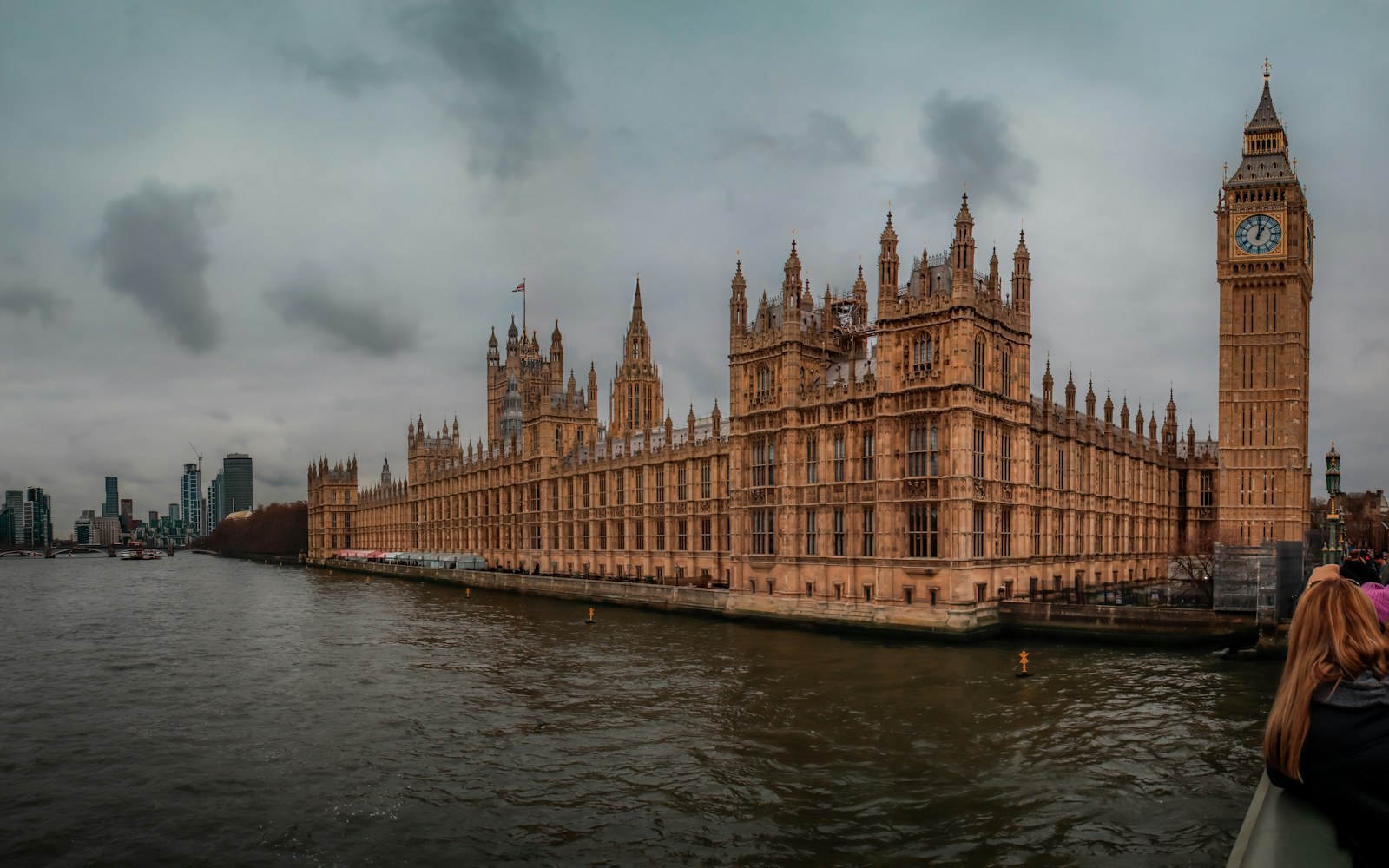
Westminster and South Bank — the classic base
If it's your first time and you want to be close to the major landmarks, this is the most intuitive area. Here you move between Westminster Abbey, Parliament Square, the river, Waterloo, and the South Bank views without relying as much on the Underground. It's a very convenient base for building your first mental picture of London, although it usually costs more than other options. For a short trip, the proximity pays off if you plan to get up early and return to the hotel to rest between blocks.
Covent Garden, Soho, and Chinatown — nightlife and dining
It's one of the best areas if you like eating out, going to the theater, or ending the day in a lively street atmosphere. Covent Garden, Seven Dials, Leicester Square, and Chinatown pack very different options into just a few minutes' walk. Staying here lets you walk back from dinner and avoid long rides late at night. It also works well if you want to fit in a musical, a late drink, or a stroll through the West End without depending on the last train.
South Kensington and Kensington — museums and calm
For travelers who want great museums, pleasant streets, and a slightly calmer atmosphere, this area works very well. From here, the Natural History Museum, the V&A, Hyde Park, and Knightsbridge are all relatively close. It's also a sensible base if you're traveling with children or prefer a less frantic first visit. It also keeps you near the Piccadilly line and convenient connections to the center and Heathrow.
King’s Cross, Bloomsbury, and Camden — connections and better value
King’s Cross and Bloomsbury are usually very practical for getting around, and Camden adds a more alternative feel without taking you too far from the center. The area has useful stations, easy access to the rest of London, and accommodations that sometimes strike a better balance between budget and location. If you're flying into Heathrow, the connection with the Piccadilly line or Elizabeth line is usually very convenient. Bloomsbury also fits well if you like libraries, museums, and quieter walks.

Day-by-day London itinerary for 4 days
This is a base structure designed to see the essentials without repeating pointless journeys. Paffing then adapts it to your accommodation, whether you're traveling as a couple or with children, your preferred pace, and whether you prioritize museums, markets, theater, photography, or shopping. The goal isn't to make an endless list, but to group each day into blocks that make logistical and visual sense, so the trip flows and doesn't become a string of transfers.
Tips to make the most of 4 days in London
- Group each day by area and limit big crossings to once a day. In London, two long transfers per day eat up more time than you think. If you do Westminster and South Bank on the same day, or the Tower of London and Borough Market together, the route flows much better and the breaks between visits really show.
- Book ahead for anything that actually sells out or uses limited capacity. Westminster Abbey, the Tower of London, the London Eye, Sky Garden, or certain dining experiences can fill up; big museums like the British Museum or the National Gallery are usually more flexible, but it still pays to check the latest conditions. Paffing doesn't replace those checks — it just organizes the visit so you arrive with fewer doubts.
- Use contactless payment or an Oyster card and add Citymapper or offline maps on your phone. For a first visit, moving around zones 1 and 2 is usually enough for most classic plans. If the rain picks up, the Underground saves the day; if the weather is good, walking along the river or through Kensington Gardens pays off and gives you a more human read of the city.
- Leave real room for lunch, rest, or improvisation. London has too many temptations for a military-style schedule; if you fill every block, you'll end up skipping what interests you most. A 45–60 minute buffer between visits makes the trip feel more human and less exhausting, and it also helps if a queue runs long or you want to step into a shop you hadn't planned on.
- Have a rain plan and a night plan. The British Museum, the National Gallery, Tate Modern, the Natural History Museum, covered markets like Borough Market, or areas like Covent Garden work very well when the weather changes. At night, Soho, Chinatown, or a walk along the South Bank can end the day without adding too much logistics. If you prefer a quieter finish, head back to your neighborhood earlier and slow the pace down.
Practical travel info for London
If you're coming from Spain, the key isn't just how much the trip costs: it also matters which airport you land at, which neighborhood you sleep in, and how much you want to walk between visits. For a 4-day getaway, London usually works best when you simplify transport and rely on a central base. The city rewards planning because, with the right order, you can see a lot without feeling pressed for time all the time.
| Aspect | Details |
|---|---|
| Travel from Spain | There are frequent direct flights from Madrid, London, and other Spanish cities to Heathrow, Gatwick, and, depending on the season, Stansted or Luton. Heathrow is usually the most convenient for a short stay thanks to the Elizabeth line and Piccadilly line connections; Gatwick also works very well if you connect via Thameslink or Gatwick Express. If you land at a farther airport, allow extra time to reach your accommodation. |
| Getting around London | For a first visit, the most useful combo is the Underground + buses + short walks. Contactless payment or Oyster makes everyday travel much easier, and the Elizabeth line is very handy for some quick east-west transfers. Citymapper helps you decide which combination works best, especially when you want to hop between neighborhoods without wasting time changing lines or platforms. |
| Where to stay | If you want to prioritize landmarks and walking, Westminster and South Bank are very strong choices. If you prefer restaurants, theater, and livelier nights, Covent Garden, Soho, and Chinatown work better. For museums and a calmer atmosphere, South Kensington and Kensington fit very well. If you want good connections and a more balanced time-to-price ratio, King’s Cross and Bloomsbury are usually safe bets. |
| Daily budget | Without hotel, a mid-range trip usually runs roughly between £90 and £160 per day depending on meals, tickets, and transport. With a mid-range central hotel, the total daily cost can easily rise to £180–£320 or more in high season. Add theater, a river cruise, or several paid visits, and the budget goes up. The upside of London is that many major museums are free. |
| Recommended bookings | It pays to check ahead for tickets to places like the Tower of London, Westminster Abbey, the London Eye, or Sky Garden, as well as musicals, afternoon tea, special exhibitions, and some popular guided tours. Schedules and availability change, so Paffing organizes the sequence and pace, but you should always confirm the official conditions before finalizing the trip. |
London also rewards travelers with a small plan B: if it rains, swap a long walk for a museum; if the afternoon opens up, spend it in Covent Garden, Borough Market, or the South Bank; if you want to save energy, use the Underground only to link neighborhoods that really deserve a chained visit. That flexibility lets you improvise without losing the thread of the trip.
PAFFING vs a travel blog or an agency
An editorial guide inspires you, an agency can help you finalize bookings, and PAFFING sits in the middle: it organizes your trip by area, adjusts the pace to your preferences, and gives you a useful structure before and during the getaway. In a destination like London, that difference shows up mainly in the transfers you avoid and the decisions you already have solved before you fly. It also shows in how the accommodation, traveler energy, and real mix of interests come together.
| Option | What it's for | Typical limitation | Best if... |
|---|---|---|---|
| Travel blog | You want inspiration and ideas about what to see. | It is usually a fixed route designed for a generic reader. | You want to research before deciding. |
| Traditional agency | You want to delegate bookings or packaged services. | It can be less flexible for a route that depends heavily on your tastes. | You want someone to handle part of the logistics. |
| PAFFING | Create a personalized guide with logical order, pace, and grouped neighborhoods. | It does not replace schedules, tickets, weather conditions, or official bookings. | You want to leave with a clear plan, but one tailored to your accommodation, interests, and actual days. |
Recommended internal links
Start with a personalized preview
Enter your destination, dates, departure, return, travelers, transport, and interests to generate an initial guide structure with PAFFING.