What this guide solves
This guide helps you turn London into a logical trip: which neighborhoods to group together, how many days are worth it, what to book first and how to balance museums, markets, parks and viewpoints without losing hours on the Tube or on unnecessary transfers.
Why London needs personalized planning
London is not a city you visit well by following an endless list of must-sees. It is huge, split into neighborhoods with their own character, served by several airports and transport zones, and it moves at different speeds depending on the time of year. If you arrive without a clear logic, you end up crossing half the city to see two places that really do not belong on the same day.
That is where personalized planning changes the trip. London works better when you decide the accommodation base first and then organize by area: Westminster and St James's for a first impression, South Bank for a walk with views, Covent Garden and Soho for the evening, South Kensington for museums, and Camden or Notting Hill for a more local feel. That structure keeps you from spending a day bouncing from the British Museum to Greenwich and then to Notting Hill with no rest and no practical sense.
Airports also matter a lot. Heathrow usually fits well with the Elizabeth line or the Piccadilly line; Gatwick pairs nicely with the train to Victoria or Thameslink; Stansted connects via Liverpool Street; Luton via Thameslink; and London City via the DLR. It is not just “how do I get there?” but “where should I sleep?” and “which neighborhood should I keep within easy reach?” so the trip does not waste hours on transfers. London also has very clear seasons: spring and autumn usually give the best balance between weather and crowds, while December needs more buffer time because of lights, shopping and queues in central areas.
If this is your first visit, the challenge is not finding things to do. It is making decisions. Is the viewpoint worth it? Which museum fits your energy? Which day should you reserve for Camden, Borough Market or Westminster? With a personalized guide you can answer those questions before you even leave home. That is the difference between “seeing London” and actually experiencing it with a sequence that lets you enjoy the city.
How PAFFING organizes your London trip with AI
This is not about filling a calendar automatically. PAFFING takes your real context and turns London into an ordered route by area, timing and priorities, so you do not have to improvise as you go.
In a city like London, that logic saves more time than any isolated recommendation. If you stay near King's Cross, for example, you can think about the British Museum, Bloomsbury, Covent Garden or Camden without stacking absurd journeys. If you stay by South Bank, the natural sequence changes: Westminster, Tate Modern, Borough Market, the Thames waterfront and an evening finish with lights or dinner. PAFFING does not just give you ideas; it gives you order.
How many days you need for London
The short answer is that London can be seen on a short break, but it is much better with at least 4 days. From there you can add museums, slower neighborhood walks and a few less obvious stops without feeling like you are only ticking boxes.
2 days — The essentials
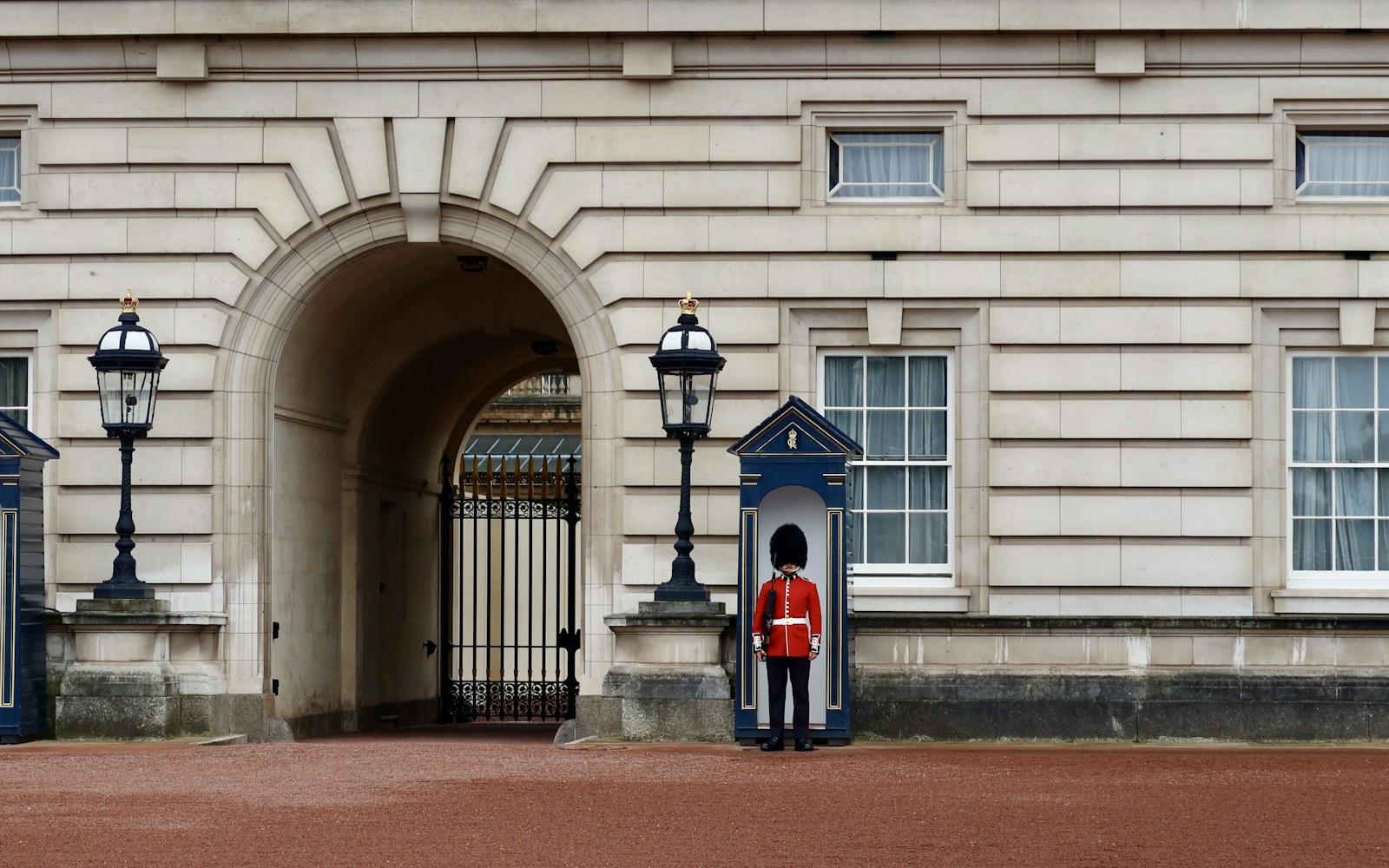
With two days you can focus on Westminster, the Big Ben area, Buckingham Palace, part of South Bank, Covent Garden and maybe one specific museum like the British Museum or the National Gallery. It is an intense visit, better suited to a first taste or a long layover, and you should accept that there will not be time for outlying neighborhoods or too many queues.
4 days — Balanced trip
With four days you can build a London that breathes a little more. A common split is one day for Westminster and South Bank, another for museums and Kensington, another for the City or the Tower of London, and a fourth for Camden, Notting Hill, Greenwich or more relaxed shopping and walking. It is the ideal format for a first visit without feeling rushed all the time.
6+ days — Deeper exploration
If you have six days or more, the trip opens up quite a bit. You can add neighborhoods like Shoreditch, Richmond, Hampstead or Greenwich with real time to sit down, eat well and revisit an area you liked. It also gives you room for flexible afternoons, viewpoints, parks and big museums without having to choose just one small piece of each experience. That is where personalization becomes even more valuable.
The key is not only how much time you have, but what kind of trip you want. Two travelers can spend four days in London and have completely different experiences: one can focus on art and museums; another on markets, photography and neighborhood life; another on family plans with shorter distances and more breaks. PAFFING uses that margin to decide when to push and when to ease off.
Tips for planning London without mistakes
- Choose a base that makes sense. If it is your first time, staying near Westminster, South Bank, King's Cross or South Kensington usually makes logistics much easier. The farther out you stay, the more important it becomes for the daily plan to be tightly grouped by area.
- Group by neighborhoods, not by isolated attractions. One day can be Westminster + St James's + South Bank; another, South Kensington + Hyde Park + Notting Hill; another, the City + Borough Market + Tower Bridge. That logic reduces transport changes and gives the day a better rhythm.
- Sort out the arrival before you go. Not all London airports connect in the same way. Heathrow and Gatwick are convenient if you are staying in the center, but Stansted or Luton may need more planning. Knowing how you arrive avoids improvising with luggage and wasting time at the end of the journey.
- Book in advance what can genuinely sell out. West End shows, viewpoints, high-demand experiences and some museum or activity slots are worth checking beforehand. You do not need to book everything, but you should secure the things that could disrupt the trip if they are left out.
- Leave room for the unexpected. London changes a lot with rain, wind, construction or crowd levels. If your itinerary already includes a break, a cafe, a park or an indoor backup, the trip feels much better. Flexibility is not a plan B; it is part of the plan.
An extra tip: do not try to cram too many iconic neighborhoods into the same day just because they look good in photos. It is better to come home feeling like you understood London than to have an endless list and the sense that you spent the whole trip in transit. PAFFING focuses exactly on that: turning the map into a realistic experience.
Travel blog, agency or PAFFING
| Option | What it is for | Usual limit | Best if... |
|---|---|---|---|
| Travel blog | To get inspired and understand the destination. | Fixed route, not adapted to your dates or pace. | You want to research before deciding. |
| Traditional agency | To delegate bookings or closed services. | May be less flexible for an interest-led route. | You want someone else to handle parts of the trip. |
| PAFFING | To create a personalized guide with zones, pace, interests and a practical day-by-day order. | Does not replace official checks, reservations or changing conditions. | You want to arrive with a structure built for the way you travel. |
The comparison is useful because not everything serves the same purpose. A blog can show you what exists; an agency can handle bookings or packages; PAFFING sits between inspiration and organization. In London that is especially useful because the problem is not a lack of things to do, but an excess of options and the ease with which a bad sequence wastes your time.
If your goal is to make the most of a short trip, organize a long one, or adapt a route to a family, a couple or a group with different interests, personalization adds far more value than a fixed template. You can still use official sources for opening times and tickets, but you get there with a coherent sequence and clearer neighborhoods already in place.
Recommended internal links
Start with a personalized preview
Share your destination, dates, departure, return, travelers, transport and interests to generate a first guide structure with PAFFING.
Frequently asked questions
How many days do I need to plan a London trip with AI?
For a first visit, 4 days are usually the sweet spot between seeing the icons and not rushing everywhere. With that amount of time you can group Westminster and St James's, South Bank, the City, and a museum or market area such as South Kensington or Camden. If you only have 2 or 3 days, it is better to focus on the essentials and accept that areas like Greenwich, Notting Hill or Richmond will have to wait. That is exactly where PAFFING helps: deciding what makes the cut based on your pace.
How does a personalized London itinerary with AI work?
The idea is not to give you a generic list of attractions, but an ordered route grouped by area and by the energy of the day. PAFFING can start with your dates, arrival airport, accommodation, interests and trip style; then it clusters nearby sights, avoids unnecessary hops and adds realistic breaks. In London that matters a lot because time disappears quickly between the Tube, line changes and widely spread neighborhoods.
Which neighborhoods are best for staying in London?
For a first trip, it usually pays to stay near Westminster, South Bank, Covent Garden, King's Cross or South Kensington, because that cuts down transfers and keeps several Underground lines within easy reach. If you want a more local feel, Notting Hill, Shoreditch or Greenwich may be a better fit, although they sometimes require longer journeys. The ideal area depends on your plan: museums, shopping, food, family time or nightlife are not all solved the same way.
What should I book before traveling to London?
It is smart to check the most in-demand attractions in advance, especially if you are traveling in peak season or on weekends: viewpoints, West End shows, high-demand experiences and some visits with limited capacity. It is also worth checking museum opening times, airport transfers and any passes or restaurant reservations that might be needed. PAFFING does not replace those confirmations; it organizes the trip structure so you know what to book first.
Is the Tube, bus or train better for getting around London?
It depends on the journey. The Tube is the fastest tool for crossing long distances and linking districts, the bus works very well for short trips and for seeing the city at a slower pace, and the train is useful for arrivals from Heathrow, Gatwick, Stansted, Luton or London City depending on the route. With contactless or Oyster you can mix everything without making life too complicated, but the key is to group plans by area so you do not stack too many transfers.
Does it work for London trips with kids or as a couple?
Yes, because planning changes a lot depending on the type of traveler. With kids, it usually works better to include parks, museums with breaks, shorter transfers and a flexible pace; as a couple, it may make sense to spend more of the afternoons in South Bank, Covent Garden, Soho or a good viewpoint. PAFFING adapts the sequence so the day makes sense for your group instead of repeating a route built for everyone.
Does PAFFING replace London reservations and tickets?
No. PAFFING helps you decide what to see, in what order, where to stay and which areas fit your trip best, but reservations, tickets, opening times and official conditions should always be confirmed with the provider. That separation matters in London because some plans change with the season, availability or time slot. The advantage is that you arrive with a clear structure and much less improvisation.